
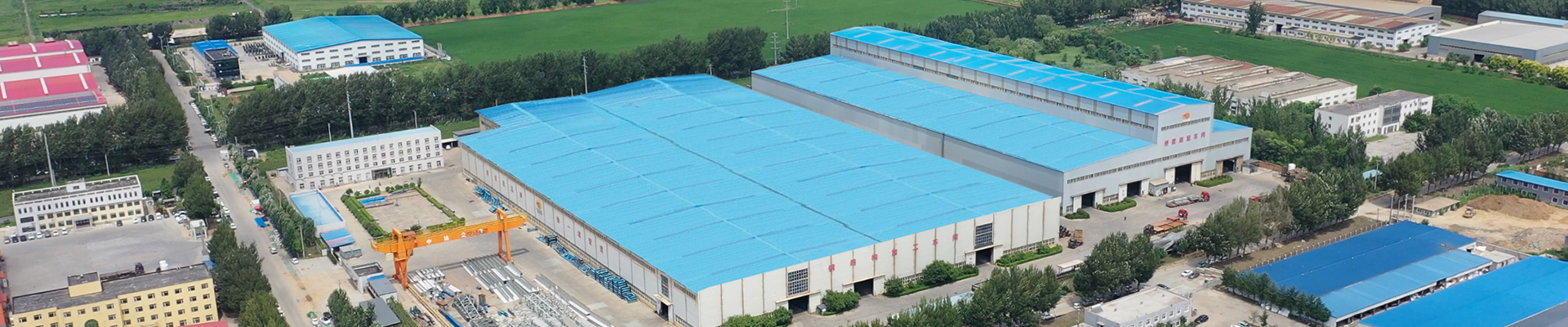
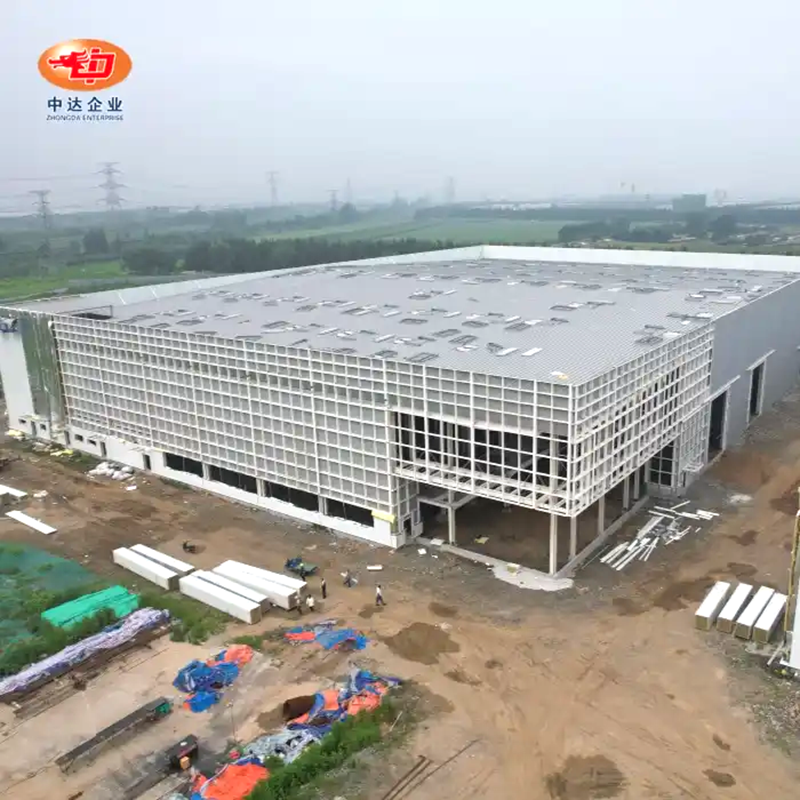
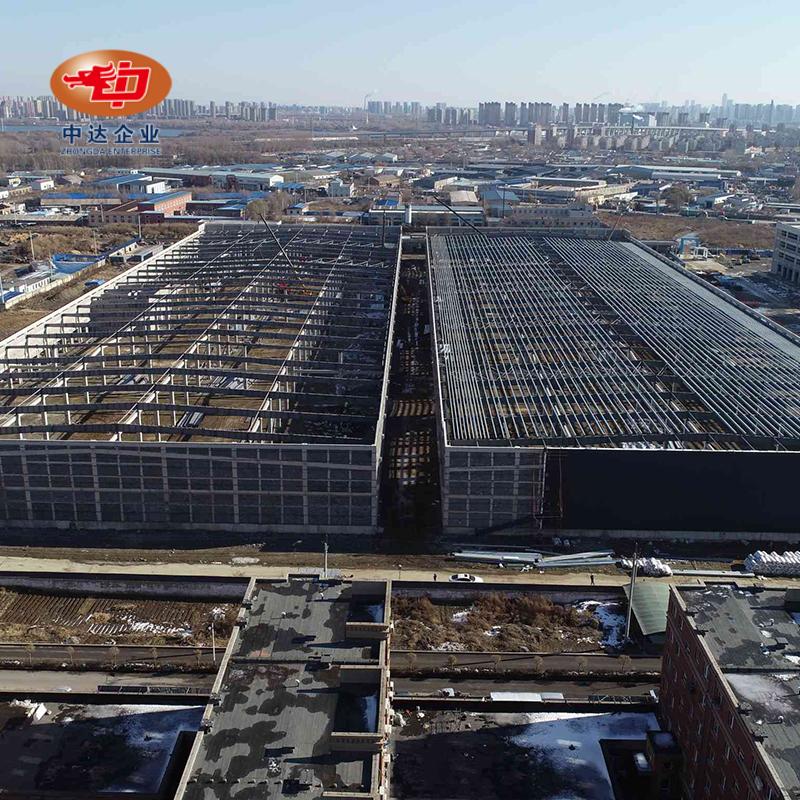
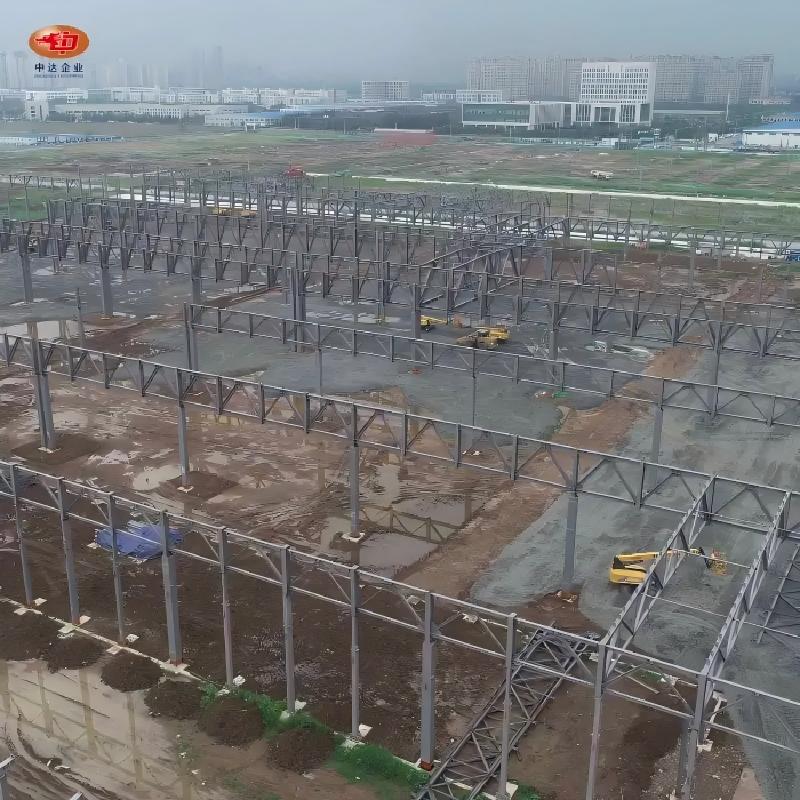
In the construction industry, whether you're planning to build a prefab steel warehouse, a prefab metal workshop, or a prefab metal shop building, understanding the cost of a steel frame is crucial. The cost of a steel frame can vary significantly based on several key factors.
Factors Influencing Steel Frame Costs
1. Steel Type
Carbon Steel: This is one of the most commonly used types of steel for frames. It offers a good balance of strength and cost - effectiveness. Carbon steel is widely available and is suitable for a variety of construction projects. However, its corrosion resistance may be lower compared to some other types, which might require additional protective measures in certain environments.
Stainless Steel: Known for its high corrosion resistance, stainless steel is often used in projects where the steel frame will be exposed to harsh or corrosive conditions, such as in coastal areas or industrial settings with chemical exposure. But stainless steel generally comes at a higher cost due to its composition and manufacturing process.
Alloy Steel: Alloy steels are formulated by adding other elements like manganese, chromium, or nickel to improve specific properties. They can offer enhanced strength, hardness, or heat resistance. Depending on the specific alloy and its intended use, the cost can vary, but they are often more expensive than carbon steel.
2. Project Size and Complexity
Size: Larger projects typically benefit from economies of scale. When ordering steel in larger quantities, suppliers may offer better pricing. For example, a large - scale prefab steel warehouse will likely require a substantial amount of steel, and the cost per unit of steel may be lower compared to a smaller project.
Complexity: A simple, rectangular - shaped steel frame for a basic storage building will cost less than a frame with complex architectural features. Intricate designs, curved members, or special - shaped connections require more detailed engineering and fabrication, which can increase the overall cost. For instance, a prefab metal shop building with a unique, non - standard roof design will be more expensive to frame compared to a standard flat - roofed structure.
3. Location
Regional Material Costs: Steel prices can vary from region to region. In areas where steel production is more concentrated, the cost of steel may be lower due to reduced transportation costs. Conversely, in remote areas or regions with limited local steel production, the cost of steel may be higher as it has to be transported from further away.
Labor Costs: Labor costs for fabricating and installing the steel frame also vary by location. In regions with a high cost of living or a shortage of skilled labor, the labor component of the steel frame cost will be higher. For example, in major urban centers in developed countries, labor costs for steel frame installation can be significantly more expensive compared to rural areas in developing regions.
4. Additional Features and Treatments
Traitements anticorrosionComme mentionné précédemment, si la structure métallique est exposée à des environnements corrosifs, des traitements anticorrosion sont indispensables. La galvanisation, qui consiste à recouvrir l'acier d'une couche de zinc, est une méthode courante. Son coût dépend de la taille des éléments en acier et de l'épaisseur du revêtement. D'autres revêtements anticorrosion, tels que l'époxy ou le polyuréthane, représentent également un coût supplémentaire.
Traitements de résistance au feuDans certains projets de construction, notamment pour les bâtiments commerciaux ou publics, la résistance au feu est une exigence essentielle. L'acier pouvant perdre de sa résistance à haute température, des revêtements ignifuges ou des matériaux isolants peuvent être appliqués à la structure métallique. Ces traitements augmentent le coût total de la structure.
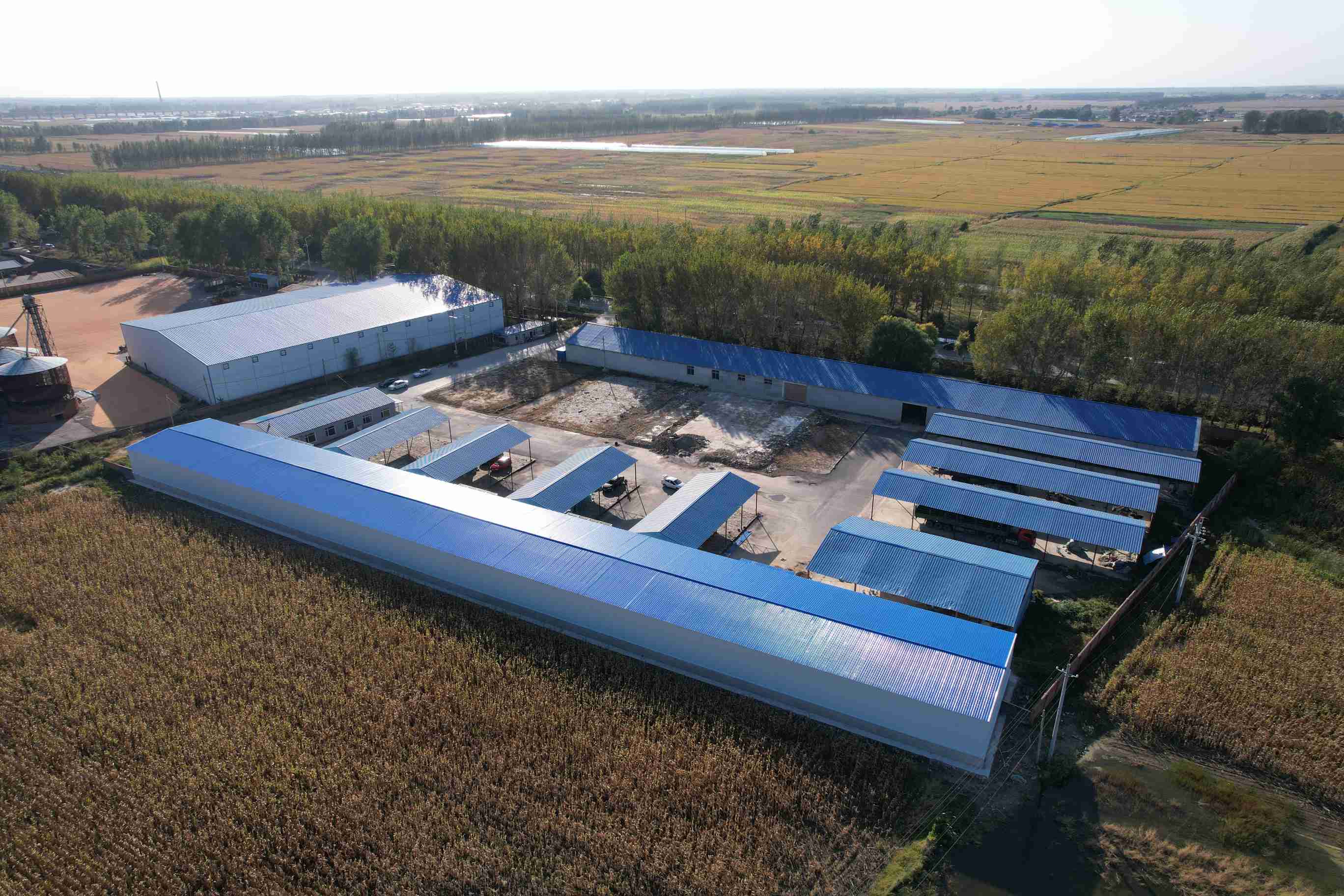
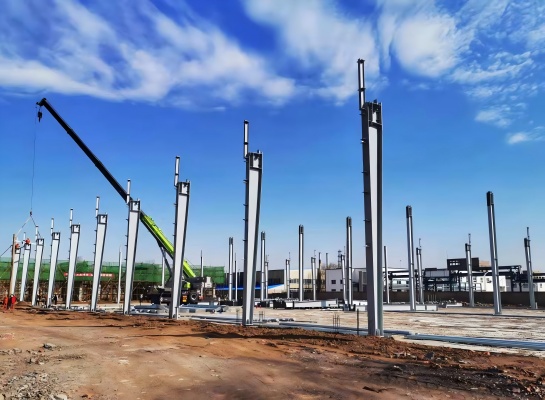
Répartition des coûts pour une structure en acier typique
1. Coût des matériaux
Il s'agit du coût de l'acier brut. Ce coût représente une part importante du coût total de la structure métallique. Comme indiqué, il peut varier selon le type d'acier choisi. Pour une structure en acier au carbone standard, le coût du matériau sera inférieur à celui d'une structure en acier inoxydable ou en acier fortement allié.
2. Coût de fabrication
La fabrication comprend la découpe, le façonnage, le soudage et le perçage des composants en acier selon les dimensions et spécifications requises. Ce processus exige une main-d'œuvre qualifiée et un équipement spécialisé. La complexité de la conception du cadre influe directement sur le coût de fabrication. Un cadre simple avec des assemblages standard coûtera moins cher à fabriquer qu'un cadre comportant des joints complexes et des composants sur mesure.
3. Coût du transport
Le coût du transport des éléments en acier préfabriqués de l'usine de fabrication au chantier est un autre facteur à prendre en compte. La distance entre les deux sites, les dimensions et le poids des éléments, ainsi que le mode de transport (camion, train, etc.) influencent tous le coût du transport.
4. Coût d'installation
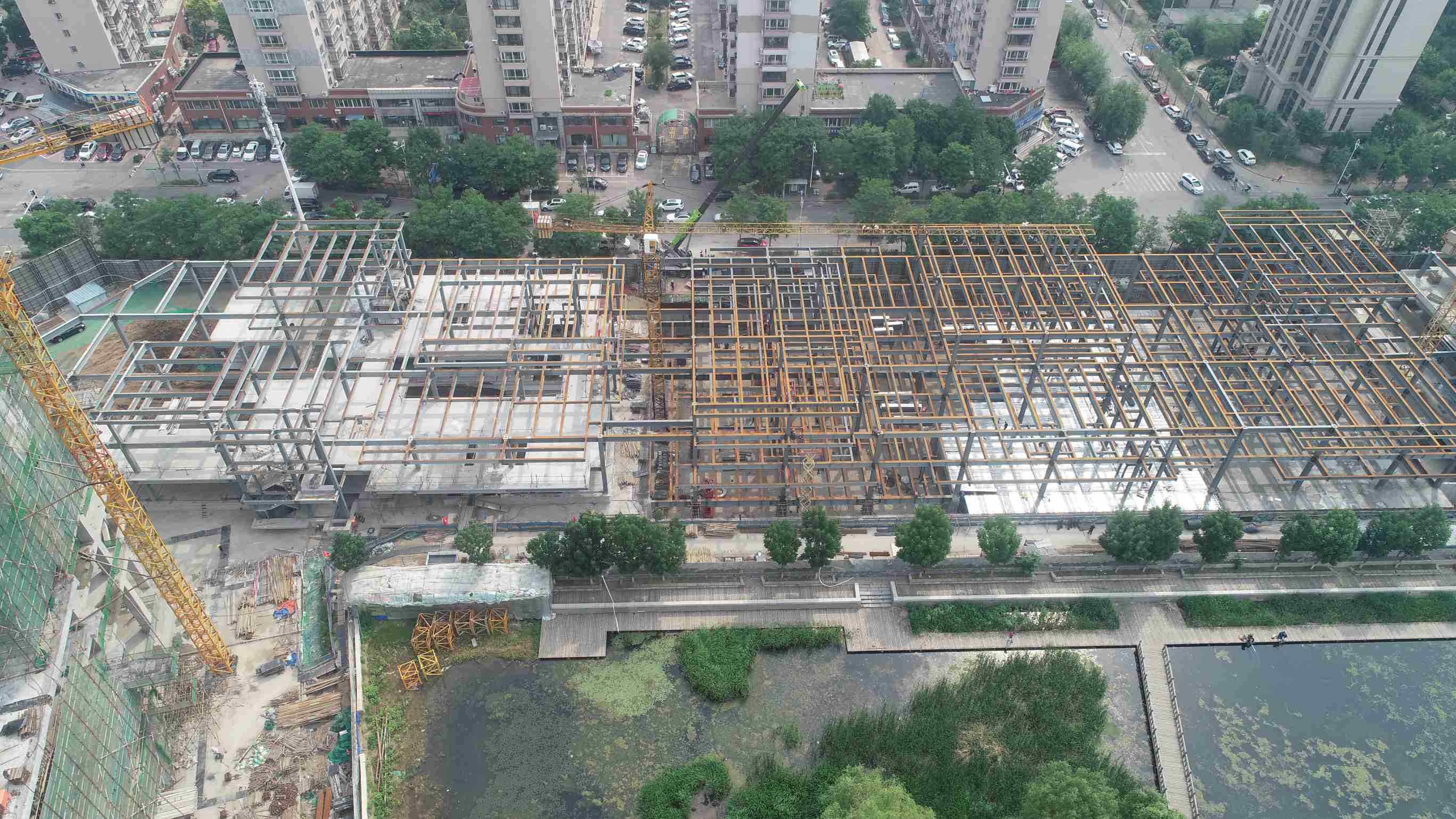
L'installation nécessite une équipe de main-d'œuvre qualifiée, comprenant souvent des grutiers si des éléments en acier de grande taille sont impliqués. Le coût de l'installation dépendra du temps nécessaire à la pose de la structure, de sa complexité (notamment la nécessité d'un alignement précis ou la difficulté d'accès au site) et du coût de la main-d'œuvre locale.
FAQ
Q : Puis-je réduire le coût d'un cadre en acier sans sacrifier la qualité ?
R : Oui, il existe plusieurs solutions. Vous pouvez opter pour une conception plus standard, ce qui réduira les coûts de fabrication. L'achat d'acier en gros permet également de diminuer le coût des matériaux par unité. De plus, collaborer avec des fournisseurs et des entrepreneurs locaux peut contribuer à réduire les coûts de transport et de main-d'œuvre. Toutefois, il est essentiel de veiller à ce que les mesures d'économie ne compromettent ni l'intégrité structurelle ni la durabilité de la charpente métallique.
Q : Comment obtenir une estimation précise du coût d'un projet de construction à ossature métallique ?
A : Commencez par fournir des plans de projet détaillés aux fournisseurs et entrepreneurs potentiels. Incluez des informations telles que les dimensions, la forme et l'usage prévu de la structure, ainsi que toute exigence particulière comme les traitements anticorrosion ou ignifuges. Demandez des devis à plusieurs sources afin de comparer les prix. Il est également conseillé de visiter des projets réalisés par ces mêmes fournisseurs ou entrepreneurs pour évaluer la qualité de leur travail.
#steelframecost #prefabsteelwarehouse #prefabmetalworkshop #prefabmetalshopbuilding #steelframeconstruction
